
July 31st, 2025
Why Your Leisure Business should offer Contrast Therapy
If you’re aiming to boost your leisure venue’s appeal and deliver a cutting‑edge wellness experience, offering contrast therapy could be a game‑changer. This treatment, featuring alternating hot and cold exposure, is gaining traction in spas, gyms, rehabilitation centres and wellness retreats.
It’s not only a draw for health‑conscious visitors but also a way to elevate your service offering with science‑backed benefits. You’ll see why providing contrast therapy and especially contrast bath therapy sets you apart in a crowded marketplace, and the article explains how simple it can be to bring this facility into your business.
In recent years, the wellness scene has seen a marked trend towards holistic, natural and restorative treatments. Among these, contrast therapy stands out for its energising and restorative edge. It’s no longer a niche; clients now expect both the potent buzz of hot‑and‑cold treatment and persuasive evidence of contrast bath therapy benefits.
Your leisure business has a real opportunity to ride this wave, offering an inviting and practical experience that supports recovery, relaxation and overall wellbeing.
What Is Contrast Water Therapy?
Contrast therapy involves alternating immersion or exposure between hot and cold, typically in tubs, pools, showers or saunas. In its simplest form, it’s a sequence of warm water followed by a cold plunge, or even ice showers.
Taken together, these modalities produce a dynamic physiological response. When applied via contrast therapy, hot water encourages vasodilation—blood vessels widen—while cold water immersion induces vasoconstriction. Switching back and forth enhances circulation, stimulates the autonomic system, and promotes recovery.
Sometimes called hot‑cold immersion therapy, this method can use everything from a cold & hot plunge pool to ice baths and warm devices. It’s the dramatic temperature contrast that defines the experience. Contrast bath therapy specifically refers to alternating between hot and cold baths or tubs, whereas broader contrast therapy can incorporate saunas, steam rooms or showers.
Benefits of Contrast Therapy for Customers
How does it actually benefit your clients? The contrast water therapy benefits are well supported by growing research and mainstream wellness coaches. First, it improves blood flow and lymphatic drainage, helping flush metabolic wastes and reduce inflammation.
For serious athletes or weekend warriors, it accelerates muscle recovery and reduces muscle soreness. This effect alone keeps people returning week after week.
There are mood and energy advantages to contrast therapy. Clients report feeling invigorated and alert, often describing a buzzing vitality after the cold water immersion phase, then a soothing calm after the heat. This swings the nervous system from sympathetic activation to parasympathetic rest. Over time, regular use can help with stress resilience and mood regulation.
Bath therapy benefits include specific improvements in joint mobility, reduced swelling, and sometimes even pain relief for chronic conditions. Because circulation is stimulated, nutrient delivery to tissues improves, and healing is supported.
One of the most compelling contrast therapy benefits is its appeal across customer segments. From athletes seeking performance recovery, to spa‑goers chasing relaxation, or rehabilitation clients needing non‑pharmacological pain relief, everyone can find value.
And if your facility is geared towards bath therapy, you’ll be delivering a signature experience that distinguishes you from competitors.
Why Your Facility Should Offer Contrast Therapy
Offering contrast therapy makes sense for multiple reasons. Firstly, it attracts health‑conscious consumers who are researching recovery aids and wellness treatments. People looking for advanced recovery or stress reduction will actively seek out facilities displaying the term contrast therapy on their menu.
Secondly, you deepen customer retention and loyalty. If someone subscribes to regular recovery sessions or spa memberships, part of the reason will be consistent access to contrast therapy benefits. Your facility becomes not just a place to unwind, but a destination to recuperate and improve.
Thirdly, you can potentially justify premium pricing. A well‑designed contrast water therapy suite—especially one anchored by a bath therapy area—lets you define a higher‑end tier of service. It communicates professionalism, commitment to wellbeing, and an elevated experience.
Setting Up a Contrast Water Bathing Area in Your Facility
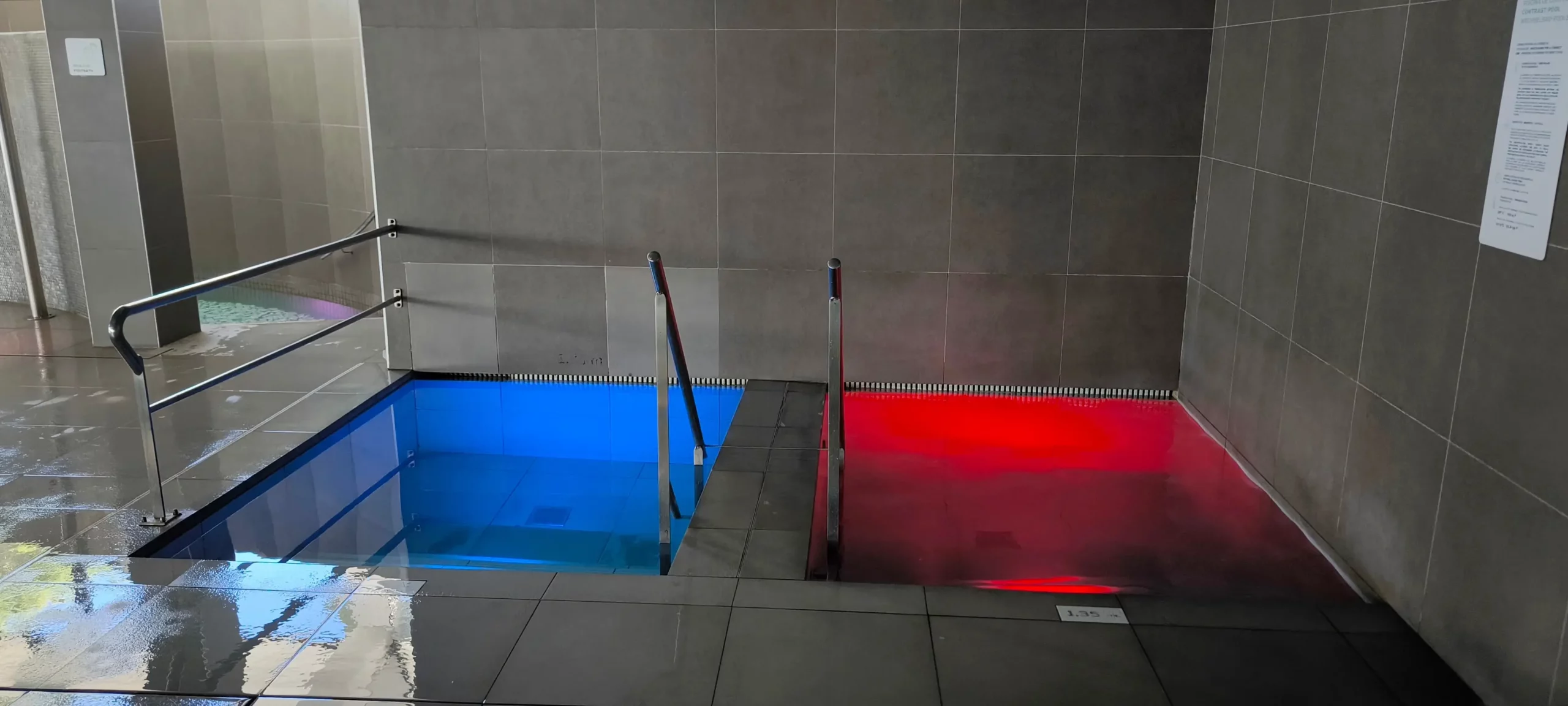
Setting up a contrast bath therapy zone needn’t be complicated, though careful planning is key. Ideally, you’d have a hot bath—such as a spa, hot tub or warm plunge area—alongside a cold water plunge pool, or at least an ice bath setup or chilled shower. You might include a hot & cold plunge pool system which automates switching between temperatures for spa‑style flow.
If space or budget limits prevent dual pools, a combination of ice showers and hot tub works very well. Many facilities install a dedicated cold water tub filled with chilled water and ice, paired with a hot tub or even a sauna. By integrating sauna equipment and contrast bath therapy, you can design an immersive circuit: sauna heat, plunge pool shock, recovery lounge, repeat.
Other considerations include drainage, safety rails, non‑slip surfaces, water filtration and easy temperature control. Programming should be flexible so users can select durations and intervals suited to their needs—for example, 3–5 minutes hot, then 30 seconds to 1 minute cold, repeated for 3–5 cycles. Signage, guidance and optional staff assistance ensure safe use. Emphasise step‑down platforms for safe entry and exit, and consider offering towels, non‑scald taps, thermostatic mixers and sanitisation protocols.
It’s really important that your staff are trained in the principles of contrast therapy benefits, so they can guide guests on timing chains, contraindications and best practices. Add a clear.
Passenger‑style seating near both pools, perhaps with ambient lighting and relaxing music, enhances the experience. Some facilities pair the area with showers, changing rooms and hydration stations—making it both comfortable and practical.
Beyond baths and pools, incorporating a sauna or steam room is a powerful enhancement. Guests move from the sauna’s heat into the cold plunge (bath therapy at its finest) and feel a wave of circulation and invigoration. The more you integrate contrast therapy, contrast bath therapy and contrast therapy benefits into your facility’s layout, the stronger your value proposition.
Get in touch with JC Leisure Groups
If you’re ready to explore how contrast water therapy can elevate your leisure business, reach out to JC Leisure Groups. We specialise in custom installation of cold & hot plunge pool systems and bespoke sauna equipment, helping transform spaces into high‑performance wellness havens. With our expertise, your spa, gym or wellness centre can seamlessly implement contrast bath therapy zones, tailored to your clientele.
We’ll assist from project planning to installation, ensuring compliance with safety standards, water treatment needs and aesthetic design. Let’s collaborate to bring clear contrast therapy benefits to your customers, enhance your business reputation and build a premium experience.
Get in touch today to discuss your vision, layout, budget and timeline. Our team offers friendly consultation and service that aligns with your brand values.
Frequently Asked Questions
What is contrast therapy and how does it work?
Contrast water therapy uses alternating hot and cold water treatments—typically switching between hot tubs, saunas or warm baths, and cold plunge pools or ice baths. The heat phase expands blood vessels (vasodilation), while cold water immersion causes them to constrict (vasoconstriction). This cycle improves blood flow, flushes toxins, and stimulates the nervous system. It’s widely used to reduce inflammation, ease muscle soreness, and boost recovery. Many people find the contrast invigorating and restorative.
What are the main contrast therapy benefits?
The most recognised contrast therapy benefits include improved circulation, faster muscle recovery, and reduced inflammation. Alternating between hot and cold exposure can also decrease joint stiffness, relieve pain, and enhance lymphatic drainage.
Clients often feel both energised and deeply relaxed afterward. The therapy stimulates the autonomic nervous system, which helps with stress regulation and mood stability. For athletes, it aids performance recovery. For spa users, it offers a rejuvenating and detoxifying experience.
What is contrast bath therapy used for?
Contrast bath therapy is commonly used to treat muscle soreness, reduce swelling, and relieve joint pain—especially after intense workouts or injury. It’s ideal for post-exercise recovery or rehabilitation, supporting circulation and lymph drainage to accelerate healing.
In spa settings, it’s also used to provide a refreshing and restorative wellness experience. The temperature switch creates a vascular “pump effect” that helps flush out toxins and inflammation.
Are there proven contrast bath therapy benefits?
Yes, there are many documented contrast bath therapy benefits. Research in sports medicine and physiotherapy confirms its effectiveness in reducing delayed onset muscle soreness (DOMS), speeding up recovery, and lowering inflammation. It also improves joint mobility, circulation, and muscle flexibility. Users often report feeling rejuvenated and more mobile even after a single session.
While some benefits are subjective, clinical studies and practitioner feedback consistently support its role in recovery and wellbeing. When used regularly and correctly, contrast bath therapy becomes a trusted tool for injury prevention, performance enhancement, and pain management.
Can my spa or pool offer contrast therapy safely?
Yes—offering contrast therapy can be safe and effective with the right setup. Ensure controlled temperatures (hot temperatures: 38–42 °C, cold temperatures: 10–15 °C), proper sanitation, and slip-resistant flooring. Railings, clear signage, and staff training are essential for guest safety.
Users should be screened for contraindications like cardiovascular conditions or pregnancy. Installing quality cold temperature & hot plunge pool systems and sauna equipment adds professionalism. With proper design and monitoring, your spa or gym can safely deliver contrast bath therapy, creating a valuable wellness experience that meets safety standards and customer expectations.
With a 24/7, 365 days per year technical helpline and helpdesk/call out provision, we are always on hand to support your business
Call us:
01376 513246