
December 21st, 2025
A Complete Guide to Steam Generators and the Essential Parts You May Need for Repairs
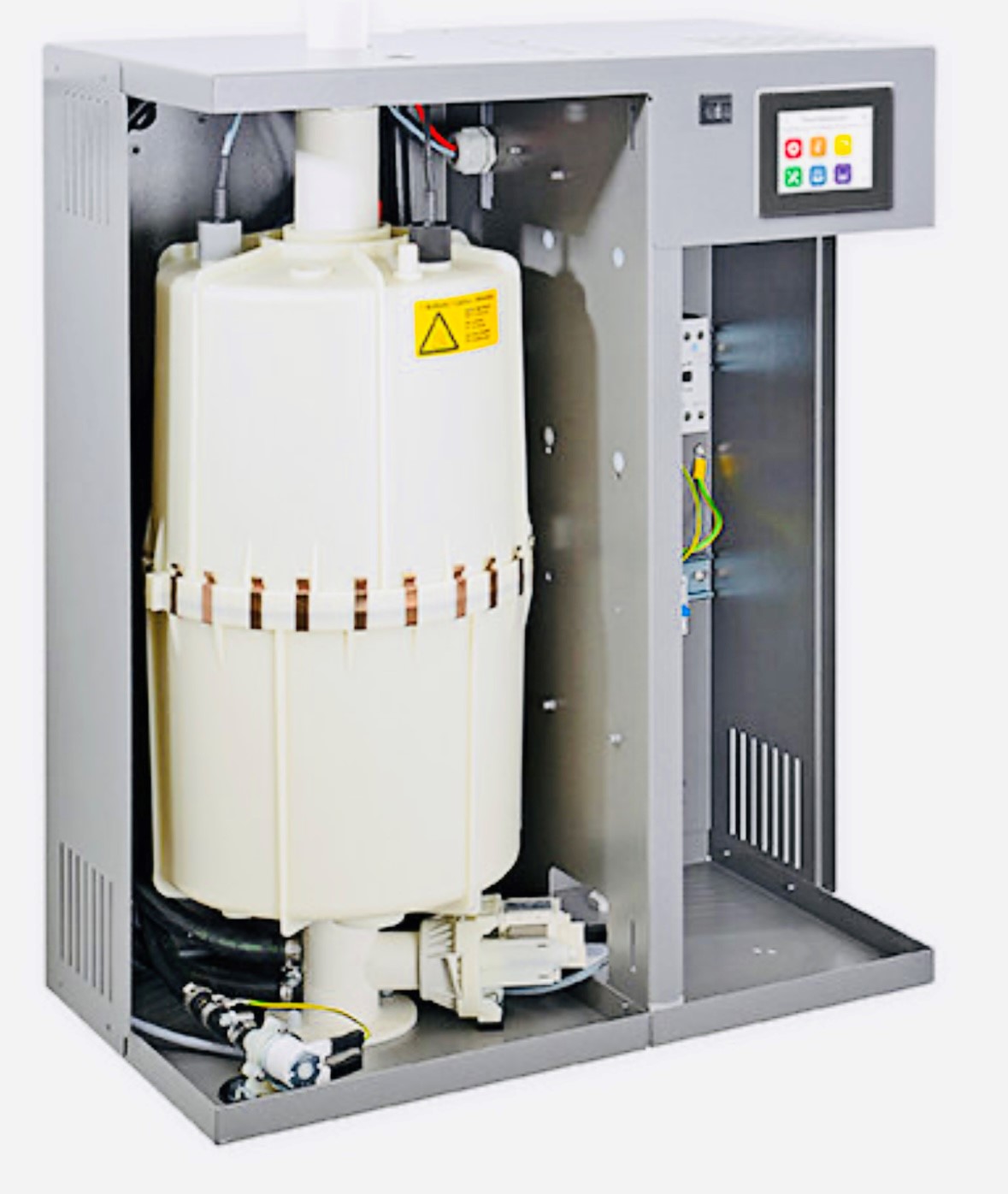
A steam generator is the core mechanical system behind every built-in steam room or steam shower installation. Permanently installed within a home, managed property, leisure facility, or commercial wellness space, it produces controlled steam that is delivered directly into an enclosed steam room environment. Unlike portable appliances, steam generators operate as part of a fixed plumbing and electrical system. When working correctly, it runs quietly in the background. When faults develop, steam output, safety, and user experience can quickly be affected.
We regularly support homeowners, landlords, and trade professionals who maintain properties fitted with steam rooms and steam showers. This guide explains how steam generators work, the most common faults they experience, realistic lifespan expectations, and which essential components are typically required for steam generator repair. It also outlines when professional support is the safest and most cost-effective option.
Please note: lifespan and maintenance requirements for steam generators can vary depending on usage and manufacturer recommendations.
How Do Steam Generators Work?
A steam generator is a fixed, sealed unit designed specifically to supply steam to a dedicated steam room or steam shower enclosure. It heats incoming water to generate steam, which is then channelled through pipework and released into the steam room via a steam outlet.
Steam generators transfer heat from a fuel source, such as gas or oil, or from electric heating elements to water within a closed system, converting it into high-pressure and high-temperature steam. Treated water, known as feedwater, is pumped into the generator’s internal system. The once-through design of these generators allows for rapid heating and steam production, distinguishing them from traditional boilers. Steam-water separation within the unit ensures the delivery of ‘dry’ steam before use. Thanks to their compact design, steam generators require up to 80% less floor space than traditional boilers. Not only that, they also operate with lower water content, minimising the risk of explosions compared to traditional boilers.
Integrated sensors regulate temperature, pressure, and water levels to maintain safe and consistent steam production. Modern generators automate this entire process. Water enters the system, is heated inside a steam cylinder, and released in controlled cycles. Quality steam room equipment balances heat output with safety controls, scale management, and electrical protection to ensure reliable long-term operation.
What Are the Most Common Faults?
Steam generators are engineered for durability, but regular use and water quality inevitably lead to wear over time. Understanding the type of fault is crucial, as it helps identify the most effective solutions for repair or maintenance. Recognising common faults helps identify problems early and reduces the risk of costly system failures.
No Steam or Insufficient Steam Output
One of the most common issues affecting a steam generator is reduced or inconsistent steam delivery into the steam room. This is often caused by scale buildup inside the steam cylinder, particularly in hard water areas. As mineral deposits increase, heating efficiency drops and steam output becomes unreliable. In many cases, replacing the steam cylinder restores normal performance without replacing the entire generator.
Water Leaks from the Generator
Water leaks may develop from worn seals, cracked steam cylinders, loose pipe connections, or internal corrosion. Even minor leaks within the generator can damage electrical components or surrounding steam room equipment if left unaddressed. Early detection is essential to prevent secondary faults and more extensive repair work.
Power or Electrical Faults
Electrical issues can prevent a steam generator from starting or cause unexpected shutdowns during operation. These faults may involve control boards, heating elements, safety cut-outs, or internal wiring. Built-in protection systems may activate if overheating, low water levels, or abnormal operating conditions are detected. Electrical faults should always be assessed professionally to ensure continued safe use.
Error Codes or Repeated Shutdowns
Modern generators use digital control systems to monitor performance in real time. Persistent error codes or repeated shutdowns usually indicate sensor faults, water supply problems, or internal component wear. While error messages assist with diagnosis, recurring warnings typically mean steam generator repair is required to prevent further damage.
Unusual Noises or Vibrations
Knocking, hissing, or vibration coming from the generator can indicate scale accumulation, trapped air, or deteriorating internal components. These symptoms often develop gradually and worsen over time. Addressing them early helps protect the generator and extends its overall service life.
Can Basic Troubleshooting Resolve Steam Generator Issues?
Some initial checks can help identify the cause of a generator issue before arranging repairs. Always isolate the electrical supply before inspection. Confirm that the water supply is active and meets manufacturer pressure requirements, and check for visible leaks around the generator unit and pipework. Reviewing the control panel for error indicators can also provide early insight.
Weak steam output often points to steam cylinder wear. Steam cylinders are consumable components designed for periodic replacement. Persistent electrical faults, repeated shutdowns, or internal leaks should not be ignored and typically require professional intervention.
Which Parts Are Commonly Replaced During Steam Generator Repair?
Steam generators are modular systems, allowing many faults to be resolved by replacing individual components rather than the entire unit. The steam cylinder is the most commonly replaced part, as it is constantly exposed to heat, water, and mineral deposits during operation.
For Carel generators, the Carel BL0T4D00H2 steam cylinder is a direct replacement component designed to restore performance and efficiency. Vapac generators may require the Vapac D4H355 steam cylinder, which is engineered for durability in demanding steam room installations.
Other components that may require replacement include water level probes, solenoid valves, control boards, and safety sensors. Using manufacturer-approved parts is essential for maintaining safety compliance and protecting warranties. In The JC Shop, we maintain a stock of high-quality replacement parts for a variety of generator models. Compatible replacement parts and steam room systems are also available.
How Long Do Steam Generators Last?
The lifespan of a steam generator depends on usage levels, water quality, and maintenance practices. In residential steam rooms, generators commonly operate reliably for eight to twelve years. Commercial steam room installations may experience shorter service intervals due to higher usage demands.
Hard water significantly accelerates scale buildup inside the system, increasing wear on internal components. Regular servicing, correct installation, and timely replacement of consumable parts all contribute to extending the lifespan of steam generators and associated equipment.
When Should Professional Support Be Used?
While basic checks can help identify minor issues, professional guidance is essential for electrical faults, internal leaks, corrosion, or recurring system errors. Attempting complex repairs without specialist knowledge can compromise safety and cause further damage.
Professional steam generator repair ensures compliance with electrical and safety regulations and provides accurate fault diagnosis. For system upgrades or component replacement, we recommend using trusted steam generator ranges such as Vapac and Carel, alongside compatible sauna equipment for complete wellness installations.
With a 24/7, 365 days per year technical helpline and helpdesk/call out provision, we are always on hand to support your business
Call us:
01376 513246